Pest Control Services for Vacation Homes and Empty Properties


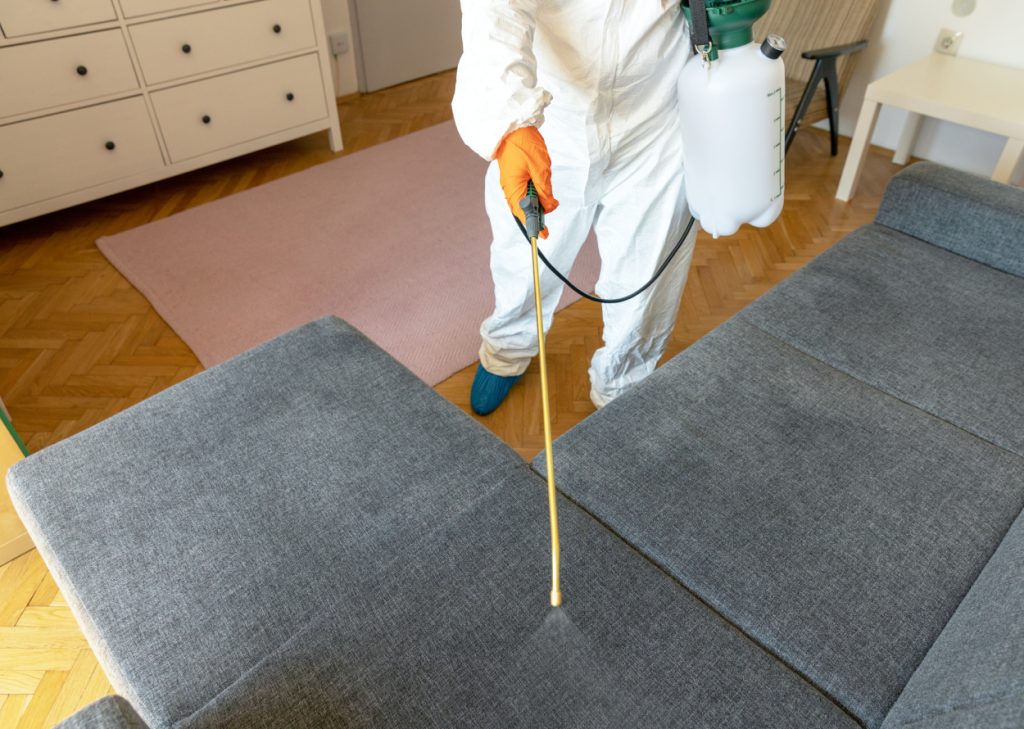
A house that sits empty does not stay still.
Even when the doors are locked and the blinds are drawn, the building keeps breathing. Temperatures rise and fall. Humidity gathers in crawl spaces. Rodents test foundation gaps. Ants find a line of moisture under a sink trap. Wasps scout eaves in spring. In a full-time residence, these early signs often get caught by the people living there. In a vacation home or a long-vacant property, small activity can go unchecked for weeks or months, and that changes the risk entirely.
That is why pest control for an occupied home and pest control for an empty one are not the same service with a different address. The inspection strategy is different. The likely pest pressures are different. The response time matters more. Even the kind of damage that goes unnoticed tends to be different. In practice, vacant properties demand a more preventive, building-aware approach than many owners expect.
Owners often think first about break-ins, storm damage, or frozen pipes. Those concerns are valid, but pest problems are usually quieter and often more expensive by the time they become obvious. I have seen homes where a few mice in late autumn became nesting behind kitchen cabinets by January. I have seen a beautiful coastal property develop a roach issue because a rarely used outdoor shower created constant moisture near the foundation. I have seen carpenter ants move into a detached garage because a roof leak went unnoticed through one rainy season. None of these cases began as a disaster. They became one because nobody was there to catch them early.
Why empty properties attract pests differently
Pests do not care whether a house is a primary residence, a ski chalet, or a short-term rental closed for the off-season. They respond to three conditions, shelter, water, and access. Empty properties often provide all three with fewer disturbances than an occupied home.
Human activity itself is a form of pest pressure. Doors open and close. Lights switch on. Water runs. Floors vibrate. Dogs bark. Trash goes out. These routine disruptions matter. When a property sits still for long stretches, rodents and insects get more time to explore without interruption. A single entry point that might lead to a quick retreat in an active home can become an established pathway in an unoccupied one.
Vacation homes also tend to have certain design features that raise pest pressure. Decks, crawl spaces, wood siding, outdoor kitchens, lakefront landscaping, dense shrubs, and detached sheds all create attractive harborage. Properties in wooded, rural, or coastal areas often face a wider pest range than suburban homes. That can mean mice in the fall, cluster flies in cooler months, termites or carpenter ants in spring, and mosquitoes or stinging insects through summer.
Empty homes also have a maintenance gap. A leaking hose bib, a failed weather seal, or a garage door that no longer closes flush may seem minor. Left unobserved, those details become invitations. Pest Control Services that are tailored to these conditions focus less on reacting to visible infestations and more on identifying the environmental and structural weaknesses that let pests settle in.
The pests that show up most often
The pest profile depends heavily on geography, but certain patterns repeat across most vacation and vacant properties.
Rodents are among the most common issues because they exploit tiny openings and are active year-round. A mouse can use gaps around utility penetrations, worn garage door corners, roof intersections, and foundation cracks. Once inside, an empty home gives it insulation, darkness, and nesting material. Owners are sometimes surprised by how little food is required to sustain rodent activity. It is not only pantry items. Pet food residue, grease in a stove drip tray, seeds in a decorative arrangement, and crumbs in a sofa can be enough to support them.
Cockroaches are another concern, especially in humid climates or in homes with plumbing traps that dry out. Some species are strongly tied to indoor moisture and heat. Others move in from exterior harborage. In a vacant property, a hidden leak under a vanity or behind a refrigerator line can support a population long before anyone notices.
Ants show up in several forms. Odorous house ants often track toward moisture or sweet residues. Carpenter ants are more serious because they exploit damp or decaying wood. They do not eat the wood like termites do, but they excavate it, and their presence often points to a moisture problem that needs correction. In second homes with decks, porches, or roof leaks, this is a recurring pattern.
Termites deserve separate attention because the damage curve is slow and expensive. Subterranean termites can work unseen for long periods, especially in crawl spaces or wall voids. A vacant property does not cause termites, but delayed detection gives them more time. In warm regions where termite pressure is high, regular inspections are not optional if the house sits empty for months at a time.
Stinging insects thrive on low-disturbance sites. Wasps, hornets, and mud daubers routinely build under eaves, inside shutters, around light fixtures, and inside detached structures. A nest that is small in May can become a major hazard by late summer, particularly if the property is about to be occupied by guests.
The hidden cost of delayed discovery
The price of pest damage is not only the invoice from an exterminator. In vacant properties, the bigger losses usually come from the chain reaction around the infestation.
Rodents chew wiring, flex ducts, insulation, and stored fabrics. They leave droppings in attic insulation and around HVAC components. Once contamination is established, treatment may be the smallest part of the job. Cleanup, insulation replacement, odor control, and entry-point repair can cost far more. Depending on the severity and local rates, a modest rodent response might stay in the hundreds, while full remediation after months of activity can run into the low thousands or beyond.
Moisture-related pests create another layer of expense because they are often symptoms of building trouble. Carpenter ants may lead you to rotten trim or window framing. Roaches may expose a hidden plumbing leak. Termite activity may reveal wood-to-soil contact or drainage failures around the foundation. Treating the pest without correcting the underlying condition is usually wasted money.
There is also the occupancy problem. For owners who rent their vacation properties, pest sightings are not just maintenance issues. They affect reviews, repeat bookings, refund requests, and reputation. One guest reporting roaches in a bathroom or mice droppings in a pantry can do more financial harm than the treatment bill itself. Owners who rely on seasonal rental income need to think of pest management as part of asset protection and brand protection, not as a one-time emergency service.
What good Pest Control Services look like for a vacant home
The best service plan for an empty property starts with the assumption that routine absence changes the inspection method. A technician should spend time on the building envelope, moisture conditions, harborage areas, and vulnerability points, not just treat baseboards and leave.
A useful inspection usually includes the exterior foundation line, crawl space or basement, attic access if available, utility entry points, garage, roofline observations from ground level, under-deck areas, and detached structures. In vacation homes, the exterior matters as much as the interior because many pest problems begin outside and move inward. A generic spray application is rarely enough if tree limbs touch the roof, mulch is piled high against siding, or there is standing water near the structure.
The service plan should also match occupancy patterns. A beach house used heavily from May through September and mostly closed in winter needs a different schedule than a mountain cabin opened a few weekends each month. Some properties need seasonal perimeter treatments before peak use. Others need rodent-focused exclusion in autumn and monitoring through winter. In termite-heavy regions, annual inspection with a separate treatment or monitoring plan may be essential.
Communication matters more with vacant properties than many owners realize. If you are not on site, you need concise updates, photos when needed, and clear notes about conditions that are likely to turn into problems. A strong provider does not just report pest activity. They flag the torn vent screen, the failing door sweep, the moisture in the crawl space, the stacked firewood against the siding, or the bird nest above the soffit vent.
Exclusion is often the highest-value service
For empty properties, exclusion work usually delivers better long-term value than repeated treatment alone. Chemicals can reduce active populations, but they do not close the gap under the service line, repair the broken vent, or tighten the garage threshold that mice are using every night.
In real-world terms, exclusion means making the structure harder to enter and less rewarding to explore. That can include sealing utility penetrations, screening vents, replacing damaged weatherstripping, adjusting door sweeps, trimming vegetation away from the building, and correcting drainage problems that create damp zones. In crawl-space homes, it may also involve checking foundation vents, access doors, and moisture barriers.
This is where judgment matters. Sealing every visible crack is not the same as solving the problem. Some gaps need materials that account for movement, sunlight, and moisture. Some openings should not be sealed until ventilation or drainage issues are addressed. Some pest routes are obvious, while others only make sense when you understand behavior. Rodents tend to follow edges and protected travel lines. Wasps prefer sheltered overhangs. Carpenter ants often trail from a moisture source toward satellite nesting sites. An experienced eye saves time and unnecessary work.
Owners sometimes hesitate at the price of exclusion because it can feel less tangible than a treatment visit. Yet over a year or two, sealing the right openings is often cheaper than repeated service calls, damaged insulation, contaminated cabinets, or chewed wiring.
Moisture management is pest control, whether people call it that or not
Many of the hardest pest issues in vacant homes are moisture problems wearing a different label.
A dehumidifier draining improperly into a crawl space, a condensate line clogging near an air handler, a minor roof leak staining attic sheathing, or a bathroom exhaust fan venting into the attic instead of outside can all shift the environment enough to support pests. Silverfish, roaches, carpenter ants, and even some beetles benefit from damp conditions. Mold and wood decay follow close behind, which broadens the repair bill.
This matters especially in seasonal homes near water, in heavily wooded areas, or in warm humid climates. Closed-up properties can trap humidity in surprising ways. Owners often think they are protecting the home by shutting everything tight, but stale, damp air in a poorly managed building creates a more pest-friendly environment, not a less friendly one. The answer is not to leave windows open. It is to manage ventilation and humidity deliberately.
A good pest professional may recommend steps that sound more like building maintenance than extermination. That is often a sign they understand the problem. Fixing grading, redirecting downspouts, reducing ground cover against the house, servicing crawl-space ventilation, or adding a door sweep can do more to prevent pests than another broad treatment application.
Preparing a vacation home before it sits empty
There are practical things owners can do before closing up a property for several weeks or several months. None of them are difficult, but they need consistency.
Food should not be left in cardboard or thin plastic packaging, even in apparently sealed cabinets. Rodents and pantry pests exploit easy storage mistakes. Trash needs to be removed completely, and that includes the small can in a bathroom, not just the kitchen bin. Drains and plumbing fixtures should be checked so traps do not dry out in ways that allow odor and insect movement. Outdoor grills need to be cleaned, grease trays included, because they attract ants, roaches, and rodents faster than people expect.
The yard matters too. Dense vegetation touching the siding, leaf buildup in gutters, stacked lumber near the house, and firewood stored against the foundation all raise pest pressure. Detached sheds and garages deserve the same attention. In many infestations, the main house is not the first structure affected. It is simply the most expensive one to repair.
If the home will be empty for an extended stretch, periodic walkthroughs are worth arranging. Some owners rely on a property manager, a neighbor, or a maintenance service. Whoever does the check should know what to look for. Droppings, gnaw marks, insect wings on sills, fresh frass from carpenter ants, new wasp traffic, water stains, and musty odors are all useful clues when spotted early.
When rental turnover creates its own pest risks
Short-term rental homes have a separate challenge. They may not be vacant for long, but they cycle through periods of intense use and then quiet gaps. That pattern creates a different set of vulnerabilities.
Guests are not caretakers. They leave doors open, bring in groceries, spill food, overfill trash, and prop open sliders to the deck at dusk when insects are active. They may not mention the first signs of a problem because they assume the owner already knows, or because they are only staying two nights. Cleaning crews can catch some of this, but they are not trained inspectors.
For these properties, timing matters. Pest Control Services should be scheduled around occupancy peaks, not only when someone complains. A treatment and inspection just before the busy season often prevents https://trevorasak168.cloudhinter.com/posts/pest-control-services-for-apartments-condos-and-rental-properties the calls that arrive on a holiday weekend when every contractor is overloaded. The same goes for wasp nest removal, ant pressure around entryways, and mosquito reduction in outdoor living areas where guests spend time.
There is also a presentation issue. Even harmless insects can alarm guests if they appear in numbers. Cluster flies at windows, millipedes in a basement-level bath, or spiders in corners may not indicate a severe infestation, but they still affect how people judge cleanliness and maintenance. Preventive service is part of the guest experience, especially in premium rentals.
Choosing a provider without overbuying or underbuying
Owners of second homes often face two bad options, a bargain service that applies the same treatment to every property, or a premium package loaded with services that do not fit the actual risk. The right choice usually sits between those extremes.
You want a provider who asks where the property is, how often it is occupied, whether there are crawl spaces or outbuildings, what pests have appeared before, and whether any moisture or structural issues exist. Those questions matter more than a glossy brochure. A useful provider is willing to explain what is included, what is preventive, what is reactive, and what will still require separate repair or contractor work.
It is also reasonable to ask how findings are documented when you are off site. For a vacant property owner, a good note with photos can be as important as the treatment itself. If a technician notices deteriorating weatherstripping or rodent entry at the garage corner, that observation should not vanish into a generic invoice line.
Price should be evaluated against risk, not just square footage. A small cabin in a wooded area with a crawl space, nearby water, and infrequent visits may need more attentive service than a larger condo in a managed building. The details of the structure and environment drive pest pressure far more than the listing size.
The long view
Pest control in vacation homes and empty properties works best when it stops being treated as an occasional emergency. These buildings live differently than primary residences. They have longer silent periods, slower detection, and a greater chance that a minor issue will become structural, hygienic, or reputational before anyone steps inside again.
The practical goal is not to create a perfectly sterile environment. That is unrealistic, especially in wooded, coastal, or rural settings. The goal is to reduce access, remove attractants, manage moisture, and catch early activity before it turns into damage. That is what effective Pest Control Services are really doing when they are done well.
An empty house does not complain. It does not tell you about the scratching in the wall, the leak under the sink, or the wasps under the eaves. It simply keeps aging while the small problems grow larger. Owners who understand that usually approach pest management differently. They stop asking only, “Can someone spray for this?” and start asking the better question, “What conditions are making this house easy to invade?”
That shift in thinking is usually where the expensive surprises begin to disappear.
Affordable Pest Solutions LLC
Phone number: +19732299547
FAQ About Pest Control Services
How much does pest control charge?
For a standard 1,500-square-foot home, professional pest control charges generally average $100 to $300 for an initial visit, with ongoing monthly services running $40 to $75 per visit and one-time emergency exterminations costing $100 to $600, depending heavily on the specific pest and the severity of the infestation.
What is the hardest pest to get rid of?
Bed bugs are widely considered the hardest household pest to get rid of, closely followed by German cockroaches and subterranean termites.
What is included in a pest control service?
A standard pest control service includes a property inspection, targeted treatments, and prevention advice. It typically covers common pests like ants, spiders, and cockroaches, using sprays, baits, or traps.