The Ultimate Homeowner Guide to Pest Control Services

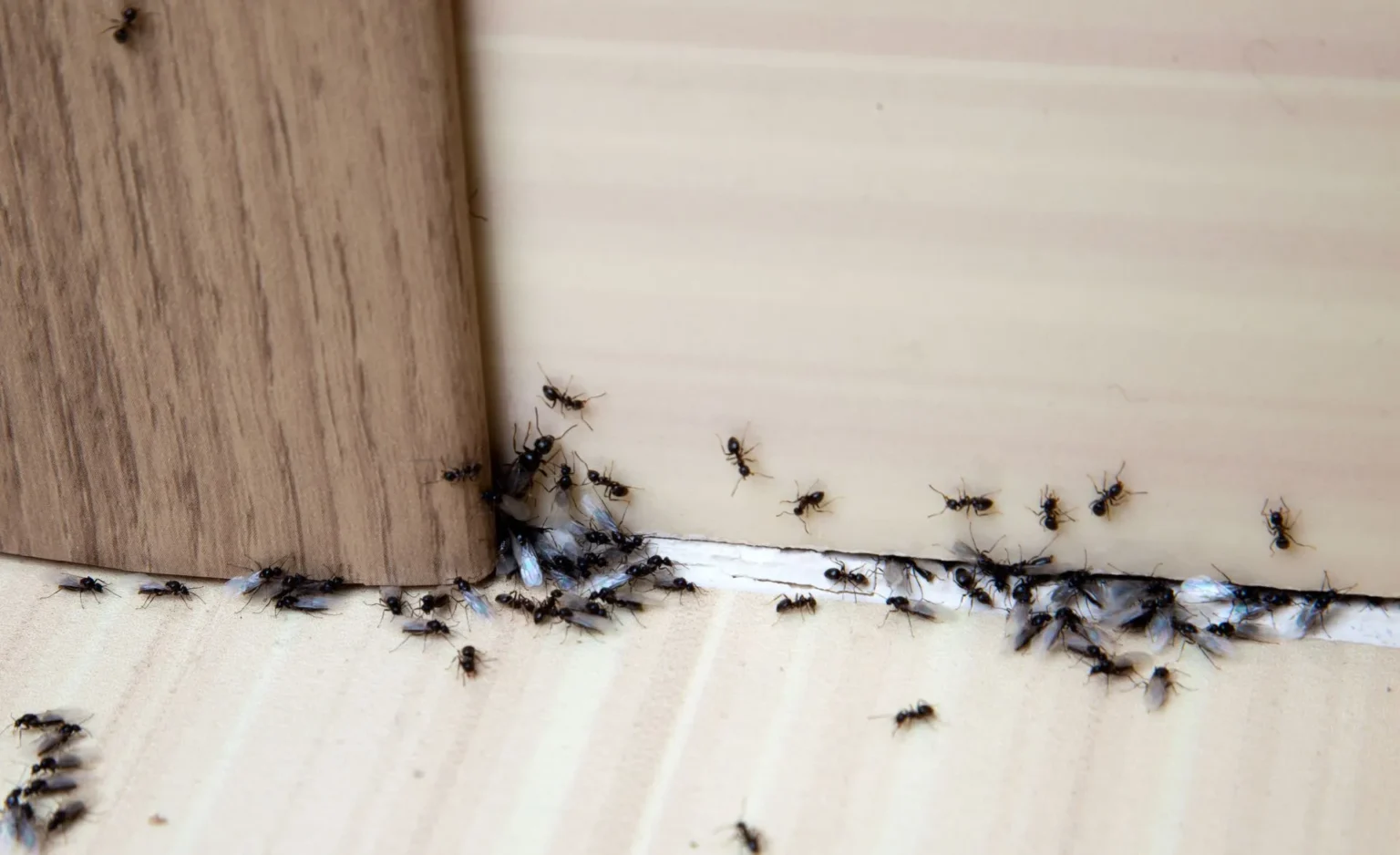
A pest problem rarely starts with drama. More often, it begins with something small and easy to dismiss: a line of ants near the sink, scratching in the wall after midnight, a wasp tracing the same path under the eaves every afternoon. By the time most homeowners pick up the phone, the issue has already moved beyond nuisance and into property risk, health concern, or both.
That is why understanding Pest Control Services matters. Good service is not just someone arriving with a sprayer and leaving an invoice on the door. It is diagnosis, timing, exclusion, sanitation guidance, safe product use, follow-up, and a realistic plan based on the biology of the pest you are dealing with. The difference between a rushed treatment and a thoughtful one often shows up weeks later, when one home stays quiet and another is right back where it started.
Homeowners also face a confusing market. Some companies focus on recurring preventive service. Others specialize in one-time infestations. Some are excellent with general pests but weak on rodents. Some sell hard and inspect lightly. If you have never hired this kind of service before, it is easy to assume that all providers are roughly the same. They are not.
What Pest Control Services actually include
The phrase sounds broad because it is broad. In practice, most residential pest control companies fall into a few operating styles. One side of the industry handles general household pests such as ants, spiders, roaches, silverfish, earwigs, and occasional invaders that come in from the yard or crawlspace. Another side focuses on more specialized work, including termites, bed bugs, rodents, mosquitoes, wildlife exclusion, and stinging insects.
A strong pest control visit usually begins with inspection, not treatment. That sounds obvious, but homeowners are often surprised by how much good technicians can infer from small clues. A few droppings under the sink suggest one kind of rodent behavior. Grease marks along a garage wall suggest another. Roach activity in an upstairs bathroom points to very different conditions than roaches around a kitchen motor compartment. The service is as much investigative as it is chemical.
Most standard Pest Control Services include interior and exterior inspection, treatment of active problem areas, perimeter application where appropriate, and recommendations to reduce future pressure. The recommendation piece gets overlooked, but it should not. If a technician treats ants in a pantry without mentioning the branch rubbing against the roofline or the moisture issue under the slab edge, that is only part of the job done.
Some services are preventive by design. Quarterly programs are common because they line up reasonably well with seasonal pest cycles in many regions. Others are corrective, especially for acute problems like yellow jacket nests, mice in the attic, or German cockroaches in multifamily settings. A homeowner should know which type of service is being offered before agreeing to it. Preventive maintenance and problem-solving are related, but they are not identical.
The pests that most often push homeowners to call
Ants are one of the most frequent reasons people seek help, and they are also one of the most misunderstood. Many homeowners expect instant elimination after a spray treatment. In reality, ant control often depends on species identification and colony behavior. Some ants respond well to non-repellent treatments and baiting. Others split colonies when disturbed, creating the appearance of a worse infestation. If you have ever sprayed a trail yourself and watched it disappear, only to have a new one show up two rooms away the next day, that is not unusual.
Cockroaches trigger understandable urgency. With roaches, speed matters, but so does precision. https://josueuaag003.publishlane.com/posts/pest-control-services-for-long-term-prevention-and-monitoring A competent technician wants to know which species is present. German cockroaches behave differently from larger peridomestic roaches that wander in from outdoors or drains. One requires a deeper sanitation and crack-and-crevice strategy. The other may be more connected to entry points and moisture conditions.
Rodents are another category where homeowners often underestimate the problem. The mouse you see is rarely the only mouse present. Rats are even more challenging because they are cautious, capable of learning routes, and excellent at exploiting structural weaknesses. With rodents, trapping and baiting can help, but exclusion is what changes the long-term outcome. If gaps remain at utility penetrations, garage corners, roof returns, or crawlspace vents, the house is still open for business.
Termites operate on a different timeline. You may never see the insects themselves. Instead, you notice soft trim, damaged baseboards, blistered paint, or mud tubes near the foundation. Termite work is specialized and often expensive because the stakes are structural. It also requires a very different treatment plan than standard general pest maintenance.
Bed bugs occupy a category of their own because they cause intense anxiety and demand disciplined preparation. A rushed or incomplete treatment often leads to months of frustration. Homeowners dealing with bed bugs need clear instructions, realistic expectations, and follow-through. There is no value in false reassurance on a bed bug job.
Then there are the seasonal calls: wasps in summer, cluster flies in fall, overwintering stink bugs, spring ant invasions, mosquitoes after heavy rain, and occasional wildlife issues in attics and soffits. These may feel minor compared to termites or roaches, but the right response still depends on knowing whether the issue is incidental, repeating, or rooted in a structural condition.
When a pest issue is still a homeowner job, and when it is not
Not every sighting justifies a service call. One spider in the basement does not mean you have an infestation. A few ants after a picnic may not require professional intervention. Homeowners can often solve light, isolated problems with cleanup, moisture control, better food storage, and simple sealing of entry points.
That said, there are clear moments when calling a professional is the sensible move. If the activity is recurring, widespread, hidden in wall voids, connected to bites or contamination, or involves wood-destroying pests, the cost of delay tends to be higher than the cost of service. The same is true if you have already tried over-the-counter products and the problem keeps returning. Consumer products can be useful in narrow situations, but they also cause trouble when used reactively and without a plan. I have seen cases where repeated store-bought sprays made roach and ant problems harder to solve because they scattered populations or contaminated bait placements.
The decision also changes if vulnerable people live in the home. Households with infants, elderly residents, people with respiratory sensitivities, or pets often benefit from professional handling simply because a trained technician should be better at selecting products, limiting exposure, and applying materials only where they belong.
What a good inspection looks like
A quality inspection has a rhythm to it. The technician listens first. When did the problem start? Where are you seeing activity? What have you already used? Has anything changed recently, such as landscaping, leaks, renovations, new neighbors, or weather events? Good answers to those questions often explain more than the visible pest evidence.
From there, the inspection should move through both the obvious and the less obvious. Kitchens, bathrooms, garages, utility areas, crawlspaces, attics, and exterior foundation lines all tell part of the story. Moisture is a recurring theme. So is clutter. So is vegetation touching the home. Many infestations are not caused by “dirty houses,” which is a phrase the industry should use less often, but they are encouraged by accessible food, water, harborage, and entry points.
A solid inspection also distinguishes between active problems and old evidence. That matters. Old rodent droppings in a dry attic tell a different story than fresh droppings in a pantry corner. Empty mud tubes are not the same as live termite activity. Shed cockroach skins suggest ongoing development. Tiny details shape the treatment plan.
Homeowners should expect clear communication after the inspection. What was found, what was not found, what will be treated, what will be monitored, and what changes at home would improve results. If the explanation feels rushed or vague, that is worth noting.
How treatment plans differ by pest and property
The best Pest Control Services are not interchangeable because homes are not interchangeable. A slab-on-grade suburban ranch with irrigated flower beds presents one set of pressure points. A century-old home with a stone foundation, unfinished basement, and mature tree canopy presents another. Apartments, townhomes, and detached houses each come with their own pest pathways and limitations.
Treatment also depends on whether the goal is elimination, suppression, monitoring, or prevention. A one-time stinging insect treatment is straightforward compared to a rodent exclusion job or a long-term roach cleanout. Seasonal mosquito work can reduce activity around a property, but no honest provider should promise a mosquito-free yard under all conditions. Likewise, exterior perimeter service can reduce incidental invaders dramatically, but it will not compensate for a hidden plumbing leak feeding drain flies or for cardboard-packed storage that shelters silverfish.
This is where experience shows. Good technicians know when less is more. They know that overapplying products can be wasteful and sometimes counterproductive. They know when baiting beats spraying, when dust belongs in a void and nowhere else, when a trap should be moved six feet for better rodent interception, and when the real solution is a door sweep, not another treatment.
Questions worth asking before you hire anyone
A homeowner does not need deep technical expertise to screen providers well. You need plain answers and a little skepticism. Ask what pests are covered, how the company diagnoses the issue, whether follow-up is included, and what preparation is required on your end. Ask whether the recommended service is ongoing preventive maintenance or a targeted corrective service. Those are different purchases.
Ask how the company handles callbacks. A low initial price can lose its appeal quickly if every revisit comes with another fee. Ask whether exclusion work is part of the service or a separate proposal. For rodents especially, this can be the dividing line between temporary relief and a lasting fix.
It is also fair to ask what products or methods will be used in general terms, how they are applied, and what precautions are recommended for children and pets. You do not need a chemistry lecture. You do need confidence that the company is thoughtful, not casual.
Here are five questions that often reveal whether a provider is careful or merely fast:
- What evidence tells you which pest I have, and where is the source likely to be?
- Is this a one-time issue, or do you recommend an ongoing service plan for my situation?
- What do I need to change at home to make the treatment work better?
- If the problem returns in two weeks, what happens next and what is included?
- Are there entry points or moisture issues that should be fixed alongside treatment?
The quality of the answers matters more than polished sales language. A good professional usually sounds specific, calm, and unsurprised. They have seen variations of your problem before.
Pricing, contracts, and the fine print homeowners miss
Pest control pricing can be surprisingly uneven from one company to another. Part of that comes from local labor costs and market competition. Part comes from the scope of service, whether follow-up is included, and whether the proposal accounts for difficult access areas, heavy infestation, or specialized materials.
General preventive Pest Control Services are often sold as monthly, bi-monthly, or quarterly plans, with quarterly being the most common for detached homes. One-time treatments may look cheaper up front, but they are not always the better value if the issue is likely to recur seasonally. On the other hand, homeowners sometimes sign annual agreements for minor problems that would have been better handled with a targeted visit and some home repairs. The right model depends on the pressure around your property and your tolerance for occasional pest sightings.
Contracts deserve a close read. Watch for automatic renewal terms, cancellation fees, retreatment policies, and exclusions. “Covers ants” may not mean all ant species. “Covers rodents” may mean monitoring only, with exclusion and sanitation outside scope. Termite warranties are their own category and should be read carefully, especially where repair coverage is involved.
A recurring pattern in homeowner complaints is not that the technician failed to treat, but that expectations were never aligned. Someone expected dead insects everywhere by morning. Someone else expected a single visit to solve a months-old rat issue in a cluttered attic with open gaps around the soffits. Service works best when the plan is honest about timing and limitations.
What homeowners can do before and after treatment
Professional service works better when the home is set up for success. That does not mean scrubbing the house down to hospital standards. It means removing the conditions pests rely on and giving the technician access to the places that matter.
Before a scheduled visit, it helps to tidy under sinks, clear the floor around problem walls, secure food, and note where activity has been observed. If you are dealing with rodents, save any photos of droppings, gnaw marks, or rub marks. If the issue is mostly after dark, mention that. Timing changes what a technician can confirm during the appointment.
After treatment, patience matters. Some pests become more visible briefly as products disrupt their behavior. That can alarm homeowners who expected immediate disappearance. A good provider should explain this ahead of time. Follow the post-service guidance closely, especially around cleaning treated areas too aggressively, managing moisture, and sealing food.
These five homeowner actions improve results more than most people realize:
- Seal obvious food sources, including pet food, cereal, and snacks stored in thin packaging.
- Fix leaks and reduce standing water under sinks, near HVAC components, and around foundations.
- Trim vegetation away from siding, rooflines, and utility penetrations.
- Replace damaged door sweeps and seal gaps around pipes, vents, and cable entries.
- Reduce clutter in garages, basements, and attics so harborage is limited and inspection is easier.
None of these steps replace treatment when an infestation is established, but they often determine whether results last.
Safety, pets, and realistic concerns about products
Most homeowners do not ask for a detailed technical breakdown of every product used. They want the practical version: Is this safe for my children, my dog, my cat, and the people in this house? That is a fair question, and it should get a practical answer.
Safety depends on product selection, placement, dose, and adherence to labeled directions. A well-run service uses the least intrusive effective method for the target pest and applies it where exposure is limited and efficacy is highest. That may mean crack-and-crevice applications rather than broad surface treatment. It may mean enclosed bait stations outdoors rather than broadcast materials. It may mean no interior application at all if exclusion and exterior work address the issue.
Pets complicate things mainly because they investigate. Dogs lick, cats squeeze into treated corners, and both can access improperly placed bait. Homeowners should always ask what areas to avoid temporarily and whether toys, bowls, litter boxes, or pet bedding should be moved. Fish tanks require special care around aerosols or airborne particulates. If anyone in the home has specific health sensitivities, mention that before service starts, not after.
The calmest jobs are usually the safest jobs because there is a plan. Problems arise when people panic-spray multiple products, mix chemicals, fog entire rooms unnecessarily, or leave loose rodent bait where it does not belong. Professional service exists partly to avoid exactly that kind of improvisation.
Seasonal patterns that shape pest pressure
One reason homeowners feel blindsided by infestations is that pests rarely follow the human calendar. They follow temperature, moisture, food availability, and shelter needs. Ants may surge in spring, then appear again during summer drought when they come indoors for water. Rodents may become more visible in fall as outdoor temperatures drop. Wasps are often tolerated early in the season and then become a serious concern later, when colony numbers peak. Termite swarmers may appear during specific windows depending on species and climate, while the damage itself has often been developing quietly for much longer.
This seasonal behavior explains why preventive Pest Control Services can make sense in some regions. The goal is not to react once pests are already established indoors. It is to reduce pressure at the moments when homes become most attractive. That said, seasonality is local. A provider with real experience in your area will talk in terms of what typically happens on properties like yours, not in generic national scripts.
Red flags that should make you pause
Not every pest company that advertises heavily does poor work, but homeowners should still watch for familiar warning signs. One is a technician or salesperson who identifies the pest instantly without looking carefully. Another is a provider who recommends the same exact program for every problem. Pest work is too variable for that to be credible.
High-pressure sales tactics are another red flag, especially when paired with vague promises. So is an unwillingness to discuss exclusions, conditions that contribute to the infestation, or likely follow-up needs. If a company treats every pest issue as a chemical-only problem, that is a narrow approach.
Watch for communication problems too. Missed appointments happen in every service industry, but repeated no-shows, unclear invoices, or evasive answers about coverage are signs of a company that may be difficult once a problem becomes complicated.
The long view: pest control as part of home maintenance
The most useful mindset for homeowners is to treat pest management the way they treat roofing, drainage, HVAC upkeep, or exterior paint. It is not an isolated emergency category. It is part of maintaining a house that resists intrusion and moisture damage.
Some years, you may need little more than a perimeter treatment during peak ant season and a wasp nest removal. Other years, a crawlspace moisture issue, a failed door sweep, or a nearby construction project can sharply increase pest pressure. Homes change. Weather changes. Neighborhood conditions change. The right pest strategy changes with them.
A strong provider helps you think in those terms. They solve the problem in front of you, then explain how to make the property less inviting to the next one. That is the real value in professional Pest Control Services. Not just killing what is visible today, but reducing the chances that you will be dealing with the same headache again next month, next season, or next year.
Affordable Pest Solutions LLC
Phone number: +19732299547
FAQ About Pest Control Services
How much does pest control charge?
For a standard 1,500-square-foot home, professional pest control charges generally average $100 to $300 for an initial visit, with ongoing monthly services running $40 to $75 per visit and one-time emergency exterminations costing $100 to $600, depending heavily on the specific pest and the severity of the infestation.
What is the hardest pest to get rid of?
Bed bugs are widely considered the hardest household pest to get rid of, closely followed by German cockroaches and subterranean termites.
What is included in a pest control service?
A standard pest control service includes a property inspection, targeted treatments, and prevention advice. It typically covers common pests like ants, spiders, and cockroaches, using sprays, baits, or traps.